Clinical Research in the Comfort of Home
How RP-DCT Reduced Family Burden While Maintaining Clinical Oversight in a Paediatric Duchenne Muscular Dystrophy Trial
Research Professionals (RP) is a leading GCP-compliant clinical research service provider based in Hungary (EU Member) with operations in the pan-European and MENA region, serving customers from across the globe. https://rp-dct.com/
Introduction:
Duchenne muscular dystrophy (DMD) is a rare, progressive
neuromuscular disorder that primarily affects boys and gradually leads to severe muscle weakness,
loss of mobility and increasing dependence on caregivers. Participation in long-term clinical
trials can place a substantial burden on families, particularly when repeated visits to specialist
investigational sites are required. Decentralised clinical trial (DCT) services have the potential
to reduce this burden by bringing study procedures directly to participants' homes while maintaining
the quality, oversight and regulatory compliance expected in clinical research.
Background:
Between June 2023 and May 2026, RP-DCT supported a paediatric DMD
clinical trial in Hungary and Poland, providing home-based clinical trial services for 10 study
participants (3 in Hungary and 7 in Poland). As is often the case in rare disease studies,
participants were geographically dispersed across both countries, while specialist study sites were
limited in number. The programme also coincided with a sponsor-driven global home-care vendor
transition, requiring the rapid transfer of responsibilities within a matter of weeks while
maintaining uninterrupted participant support and continuity of care.
Strategy:
RP-DCT implemented a patient-centred home-care model using dedicated
Research Nurses, back-up nurses and experienced bilingual Country Coordinators. Wherever possible,
the same Research Nurse supported each participant throughout the study. The programme involved
weekly home visits over nearly three years, resulting in 606 visits delivered across Hungary and
Poland. Home visits included peripheral IV and port-based IMP administration, vital signs
assessments, blood sampling, protocol-specific evaluations, temperature-controlled IMP handling,
laboratory sample management and compliant medical waste management in accordance with applicable
local regulations. Supported by RP-DCT's ISO 9001-certified quality framework and robust Quality
Management System (QMS), all activities were conducted in compliance with GCP and GDP requirements,
according to the approved protocol, study-specific manuals, delegation/oversight arrangements and
RP-DCT QMS procedures.
Key Results
| Metric | Result |
|---|---|
| Patients Supported | 10 |
| Home Visits Delivered | 606 |
| Home-Care Support | 3,392 hours |
| Average Visit Duration | 5h 34m |
| Source Documentation | 13,332 pages |
| Visit Completion Rate | 99.67% |
| First-Time Visit Success Rate | 99.34% |
| Family Travel Avoided | 275,982 km |
| Family Travel Avoided per Visit | 455 km/visit |
| Travel Time Saved | 2,664 hours |
| Family Days Preserved | 994 days |
Figure 1. – Programme Highlights
Impact:
Across the programme, the 10 participating families collectively avoided
275,982 km of travel, 2,664 hours of travel time and 994 days of disruption to daily life. On
average, each participating family avoided 27,598 km of travel, 266 hours of travel time and
approximately 99 days that would otherwise have been impacted by travel, site attendance and,
where required, overnight stays. Every home visit replaced an average of 466 km of travel and
approximately 4.5 hours of travel time. The flexibility of home-based scheduling also helped
minimise school absence, allowing children to remain engaged in their education while participating
in the study.
Beyond the benefits for participants, caregivers and investigational sites, the decentralised
home-care model also contributed to reducing the carbon footprint associated with study
participation. By replacing 275,982 km of participant and caregiver travel with 78,861 km of
Research Nurse travel, the programme reduced overall travel demand by approximately 197,000 km.
Using an indicative passenger-car emission factor of approximately 150 g CO₂/km, this
corresponds to an estimated net reduction of approximately 30 tonnes CO₂ subject to vehicle
type and routing assumptions during the study period.
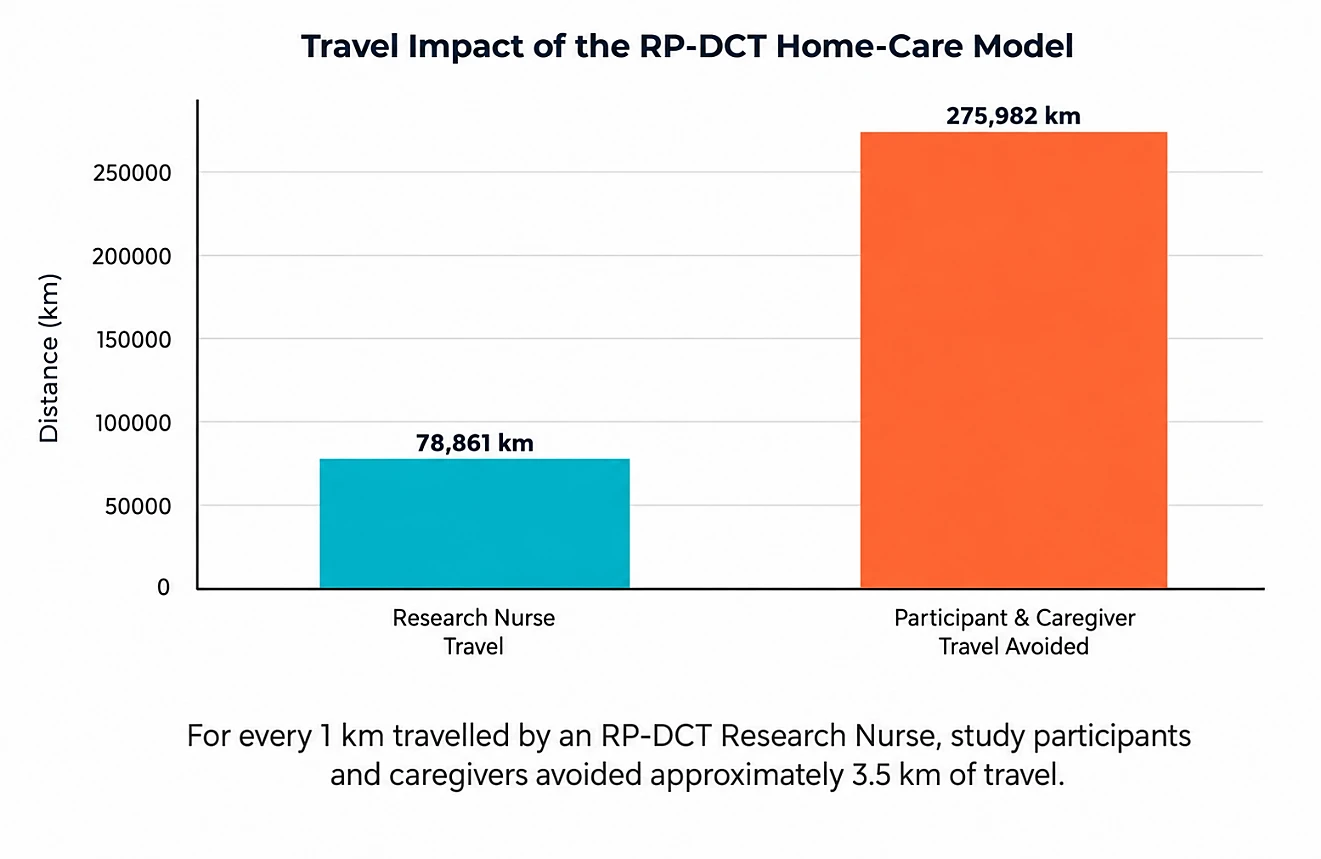
Figure 2. – Travel Impact of the RP-DCT Home Care Model
By transferring more than 3,392 hours of participant-facing activity into participants' homes, RP-DCT reduced site burden while maintaining full Principal Investigator and site oversight. The programme achieved a 99.67% completion rate across 606 scheduled visits, with only 2 missed visits and 4 repeat visits required. RP-DCT generated 13,332 pages of GCP- and GDP-compliant source documentation, averaging 22 pages per visit, demonstrating the level of clinical, logistical and documentation complexity successfully managed within the home environment. Continuity of care was maintained throughout the programme, ensuring uninterrupted participant support and preserving trusted nurse-participant relationships despite a sponsor-driven global vendor transition.
Conclusion:
Over nearly three years, RP-DCT successfully decentralised complex
hospital-based study activities while maintaining full investigator oversight, patient safety, data
quality and regulatory compliance. This programme demonstrates how decentralised clinical trial
services can expand access to geographically dispersed rare disease participants, reduce burden on
families and investigational sites, reduce the environmental footprint associated with study
participation and deliver measurable operational value for sponsors.